
vivo X300 Ultra Review: The Imaging Flagship That Redefines Mobile Photography
If you’re a photography enthusiast or content creator, you’ve likely wondered if a smartphone can replace a professional camera. The vivo X300 Ultra, released in early 2026, aims to answer that question. Marketed as an “ultra-professional imaging flagship,” it packs a 1-inch sensor, Zeiss optics, and cutting-edge AI photography features. After spending two weeks testing it in daily life, travel, and studio settings, here’s whether it lives up to the hype.
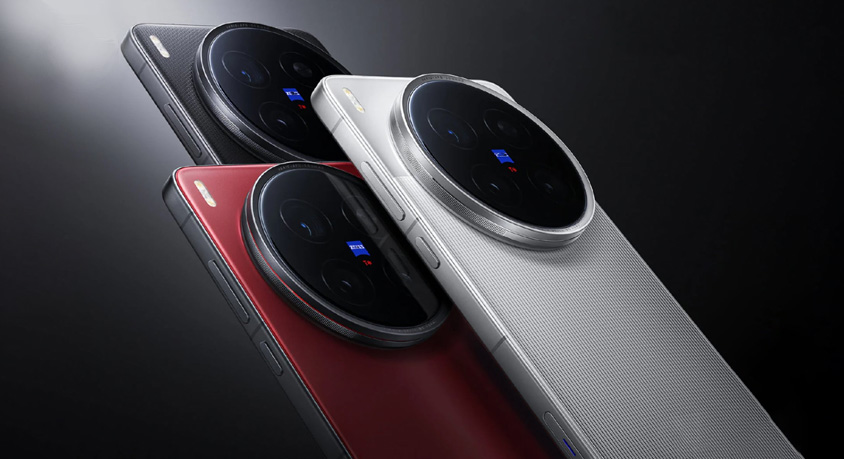
The X300 Ultra sports a sleek, minimalist design that balances style and functionality. It has a 6.78-inch 2K OLED screen with a 120Hz refresh rate, 2800 nits peak brightness, and 100% DCI-P3 color gamut—vibrant, sharp, and easy to view even in direct sunlight, whether you’re editing photos or streaming videos. The back uses frosted glass with a subtle Zeiss logo, which resists fingerprints and gives it a premium, understated look, while the camera module is a prominent, raised circular bump housing four lenses. At 8.2mm thick and 215g, it’s comfortable to hold for long periods, though the camera bump wobbles slightly when laid flat on a table—nothing a thin case can’t fix. It also has IP68 water/dust resistance, a welcome touch for outdoor shooters who often find themselves in unpredictable weather.
Under the hood, it runs on the Snapdragon 8 Elite Gen 5 chip, paired with 16GB LPDDR5X RAM and 512GB UFS 4.0 storage—top-tier specs for 2026 that ensure it handles every task with ease. Daily tasks like browsing the web, scrolling social media, and making video calls are buttery smooth, with zero lag or stuttering. Even gaming holds up: it handles *Genshin Impact* at max settings for a full hour at 59.8 FPS, with the frame rate dropping only 0.2 FPS and the rear temperature reaching a manageable 40.3°C—excellent thermal control that avoids the overheating issues plaguing some other flagship phones.
The 5500mAh battery supports 120W wired fast charging and 50W wireless charging, addressing one of the biggest pain points for power users. In real-world use, it lasts 1.5 days on a single charge with moderate use—think 4 hours of screen time, 1 hour of photography, and occasional social media checks. A 30-minute charge boosts it from 0% to 78%, and it fully charges in just 48 minutes—plenty fast for those mornings when you’re rushing out the door and forgot to plug it in overnight.
The X300 Ultra’s main selling point is its camera system, and it doesn’t disappoint. The 50MP main camera features a 1-inch Sony LYT-900 sensor, f/1.4-f/4.0 variable aperture, and Zeiss T* coating—all specs that usually belong to professional cameras. In bright daylight, it captures crisp, detailed photos with natural colors and perfect exposure; even the smallest details, like the texture of a flower petal or the grain in a wooden table, come through clearly. In low light, it truly shines: the large sensor soaks up more light, resulting in bright, low-noise photos that avoid the grainy, washed-out look of cheaper phones. I tested it in a dimly lit restaurant, and it captured the warm glow of the lights and the details of my meal without any blurriness or overexposure.
The 48MP ultra-wide camera with a 114° field of view is great for landscape shots and group photos, capturing more of the scene without distorting edges—a common issue with lower-quality ultra-wide lenses. The 48MP periscope telephoto camera offers 5x optical zoom, which is sharp enough for distant subjects like birds or buildings, while the 12MP 10x telephoto camera lets you get even closer without losing detail. I used it during a hike, and the 10x zoom captured the texture of a mountain peak miles away, with no noticeable pixelation.
The AI photography features are helpful without being intrusive. It automatically adjusts settings based on the scene—like boosting contrast for sunsets or softening tones for portraits—and the Zeiss portrait mode creates natural-looking bokeh that blurs the background without making subjects look artificial. There’s also a pro mode for advanced users, letting you manually adjust aperture, shutter speed, and ISO, just like a professional camera.
Of course, it’s not perfect. The camera bump is quite large, making the phone feel unbalanced when laid flat, and the frosted glass back, while fingerprint-resistant, is prone to scratches if not protected. The 2K 120Hz screen is stunning, but it does drain battery faster if you leave the refresh rate at max—though you can adjust it to 60Hz for longer battery life. It’s also expensive, starting at $999, which puts it out of reach for budget-conscious users.
Who should buy the vivo X300 Ultra? Photography enthusiasts, content creators, and anyone who wants a smartphone that can replace a point-and-shoot camera. It’s perfect for travelers who don’t want to carry a bulky camera, or professionals who need to capture high-quality photos on the go. Who shouldn’t buy it? Casual users who only take occasional photos and don’t need top-tier performance—there are cheaper phones that handle basic tasks just as well. Budget shoppers should also look elsewhere, as the X300 Ultra’s price tag is firmly in flagship territory.
After two weeks of testing, the vivo X300 Ultra lives up to its hype as an imaging flagship. It’s not just a phone with a good camera—it’s a device that blurs the line between smartphone and professional camera, without sacrificing performance or battery life. If you value mobile photography above all else and don’t mind the premium price, it’s one of the best choices you can make in 2026.
MORE FROM WIRED

- Dell Inspiron 14 Plus 2026: Lightweight Premium Laptop for Urban Daily Productivity
- Dell XPS 13 (2025) Review: Premium Ultrabook, But Not Perfect for Everyone

- Fast Router Never Fixes Slow Home Network
- Jun,03,2026
- OPPO A3 Pro Is It The Best Budget Waterproof Phone
- Jun,02,2026
- vivo X200 Pro: The All-Rounder That Excels in Every Department
- Jun,01,2026
- Is the vivo S50 the Most Balanced Midrange Phone of 2026
- May,31,2026
- vivo Y600 Pro: The Endurance King That Redefines Budget Phones
- May,30,2026