
Do More Camera Megapixels Mean Better Phone Photos
You’re comparing two phones: one has a 200MP camera, the other 108MP. You automatically think the 200MP model will take better photos—after all, more megapixels mean sharper, clearer pictures, right? But after taking a few shots, you’re confused: the 108MP photos look just as good, if not better. What’s going on here?
We’ve all been trained to equate megapixels with camera quality. Marketers shout about “200MP ultra-clear cameras” and “108MP pro-grade lenses,” making us think that more is always better. But the truth is, megapixels are just one piece of the puzzle—and for most people, they’re not the most important one. A 2024 study by DXOMARK found that 80% of smartphone users can’t tell the difference between a 108MP photo and a 200MP photo when viewed on a phone screen or printed in standard size (4x6 inches).
Smartphones with high-megapixel cameras often look impressive. Many have sleek camera bumps with multiple lenses, giving them a premium, professional look. The camera modules are usually made of durable glass and metal, blending seamlessly with the phone’s design. They feel solid in your hand, and the lenses are protected from scratches (though a lens cover is still a good idea). Most high-megapixel phones also offer fancy features like 8K video recording and zoom capabilities, which sound great on paper.
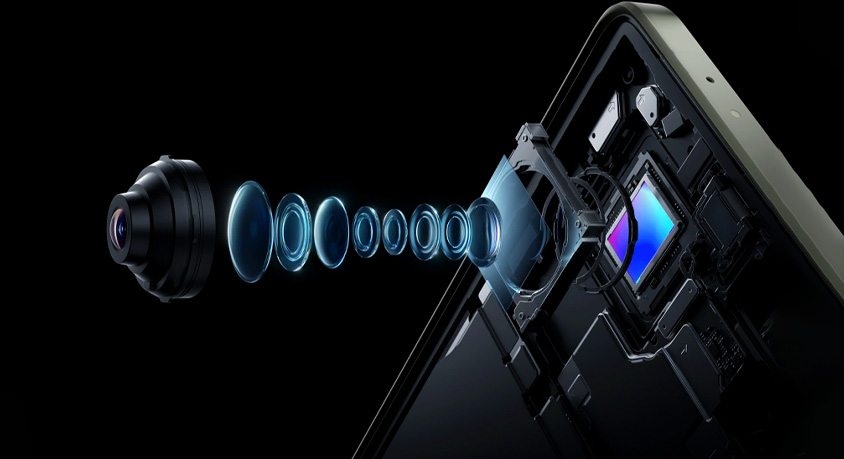
But high megapixels come with downsides. First, they take up more storage—each 200MP photo is about 50MB, compared to 25MB for a 108MP photo. If you take a lot of photos, you’ll fill up your phone’s storage much faster, forcing you to delete old files or pay for cloud storage. Second, high-megapixel photos take longer to process and upload. When you snap a photo, the phone has to handle more data, which can cause lag. Uploading those photos to social media or cloud services also takes longer, especially on slow internet.
More importantly, megapixels don’t equal better quality. The real factors that make a photo great are the sensor size, lens quality, and image processing software. A phone with a large sensor and a 108MP lens will take better photos than a phone with a small sensor and a 200MP lens. For example, in low light—like a restaurant or a sunset—the 108MP phone with a larger sensor will capture more light, resulting in brighter, less blurry photos. The 200MP phone, with a smaller sensor, might take a sharper photo in perfect light, but it will struggle in dim conditions.
Who should care about high megapixels? Professional photographers or content creators who need to crop photos heavily or print them in large sizes (like 16x20 inches). For these users, extra megapixels make sense—they allow for more detail when editing or enlarging. But for most people—taking photos of family, friends, or travel—108MP is more than enough. You’ll get sharp, clear photos that look great on your phone, social media, or standard prints.
The biggest mistake you can make when buying a phone for photography is focusing only on megapixels. Don’t let marketers trick you into paying extra for a 200MP camera if you’ll never use that extra detail. Instead, look at the sensor size, lens quality, and low-light performance—those are the things that will actually make your photos better. A phone with a 108MP camera and a large sensor will serve you better than a 200MP phone with a small sensor.
At the end of the day, the best camera is the one you use most—and that’s the one that fits your needs, not the one with the biggest numbers. Stop chasing megapixels and start focusing on what really matters: taking photos that look great in the moments that count.
MORE FROM WIRED
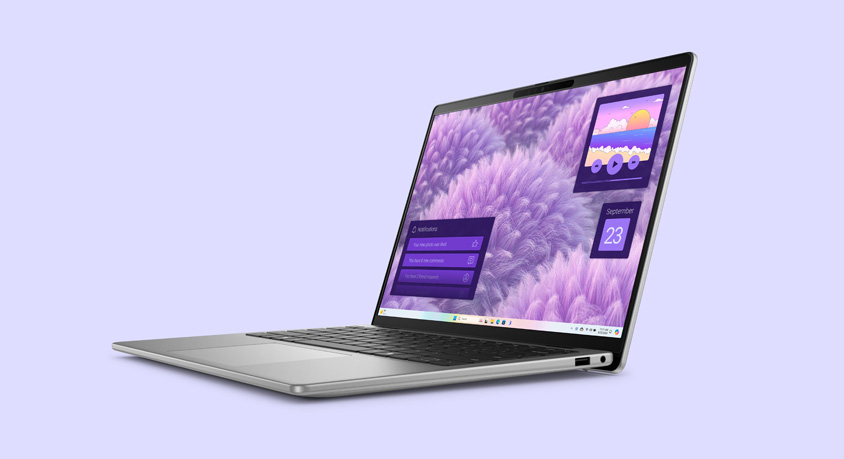
- Dell Inspiron 14 Plus 2026: Lightweight Premium Laptop for Urban Daily Productivity
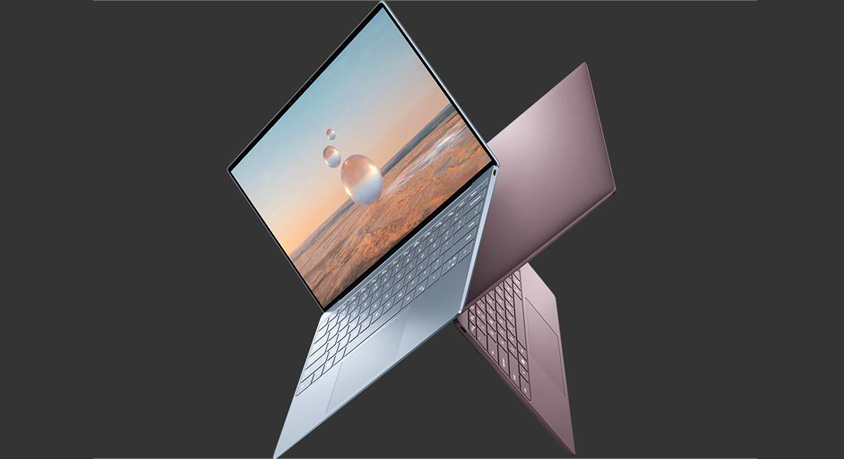
- Dell XPS 13 (2025) Review: Premium Ultrabook, But Not Perfect for Everyone
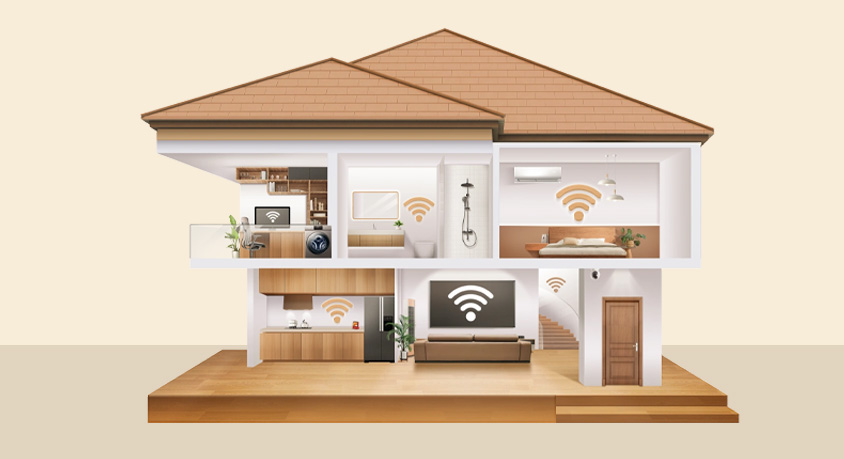
- Fast Router Never Fixes Slow Home Network
- Jun,03,2026
- OPPO A3 Pro Is It The Best Budget Waterproof Phone
- Jun,02,2026
- vivo X200 Pro: The All-Rounder That Excels in Every Department
- Jun,01,2026
- Is the vivo S50 the Most Balanced Midrange Phone of 2026
- May,31,2026
- vivo Y600 Pro: The Endurance King That Redefines Budget Phones
- May,30,2026