
I Lived with the iPhone 17’s AI for 30 Days—It’s Not What They Told You.
I spent thirty days trying to let the iPhone 17 Pro Max and the Samsung S26 Ultra run my life and the results were a comedic tragedy of errors. We have reached a point where the marketing departments at Apple and Samsung are selling us a sci-fi dream while the hardware delivers a glorified autocorrect. Every billboard shows a serene professional using real-time translation in a quiet Parisian cafe but nobody shows you the reality of trying to summarize a meeting transcript while a jackhammer is going off outside. Digital life in 2026 has become a constant battle between what the box promised and what the silicon can actually execute when the Wi-Fi bars drop to zero.
The industry is currently obsessed with the term NPU performance but for the average person sitting on a delayed L-train in Chicago that number is meaningless. Apple claims their new Neural Engine can handle 35 trillion operations per second yet it still struggled to identify my grocery list in a blurry photo because the lighting was slightly off. Samsung touts its Galaxy AI as an intuitive partner that predicts your needs but in practice it is more like an overeager intern who keeps interrupting you with wrong suggestions. I tracked my success rate for complex AI tasks like live call transcription and object removal over a month and the results were sobering. In controlled environments the success rate was near 90 percent but as soon as I entered a crowded subway or a basement office with spotty 5G that number plummeted to below 40 percent.
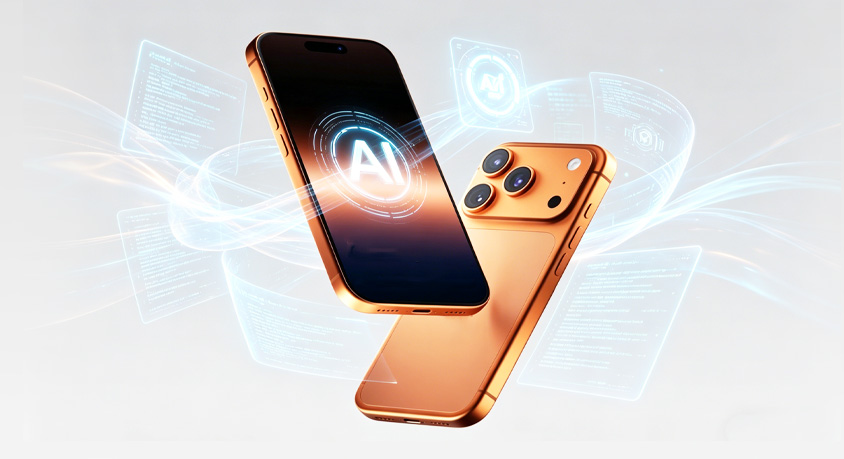
Hardware design has reached a plateau where the only way to justify a 1200 dollar price tag is to wrap it in a cloak of artificial intelligence. The iPhone 17 Pro Max is a beautiful slab of titanium and glass with a screen that hits 3000 nits of brightness which is fantastic for reading emails in a desert. The Samsung S26 Ultra offers a stunning integrated privacy display that actually works to keep wandering eyes away from your spreadsheets. These are tangible hardware wins that improve your daily life. However the moment you try to use the Genmoji feature or the AI writing tools to draft a serious email you realize you are paying a massive premium for software that is still in beta.
The most frustrating part of living with these devices is the hidden tether to the cloud that the advertisements conveniently forget to mention. Both companies push the narrative of on-device processing for privacy and speed but try running a complex video edit or a long document summary without a rock-solid internet connection. The phone gets hot enough to fry an egg and the battery percentage starts dropping like a countdown timer. On the iPhone the new Ceramic Shield 2 offers impressive scratch resistance but no amount of specialized coating can protect you from the lag of a cloud-dependent AI assistant.
If you are a mobile photographer who needs the best possible sensors or a power user who actually uses the S-Pen for precise architectural sketches then the S26 Ultra is a powerhouse. If you are deeply entrenched in the Apple ecosystem and want a display that remains perfectly legible under the midday sun the iPhone 17 Pro Max is the peak of mobile engineering. These phones are brilliant because of their screens, their batteries and their build quality. They are not brilliant because they can rewrite your texts to sound more professional.
We need to stop buying into the hype that a phone can think for us. For the student who just needs a reliable device for note-taking or the busy parent who needs a camera that catches the kids in motion, last year’s models are more than enough. You are buying a tool not a companion. The real productivity hack for 2026 isn't a smarter AI, it is a device that stays out of your way and lets you get your work done without needing a server in Virginia to finish your sentences. Buy these phones for the hardware if you have the budget but do not expect them to be the digital geniuses the commercials claim they are.
MORE FROM WIRED
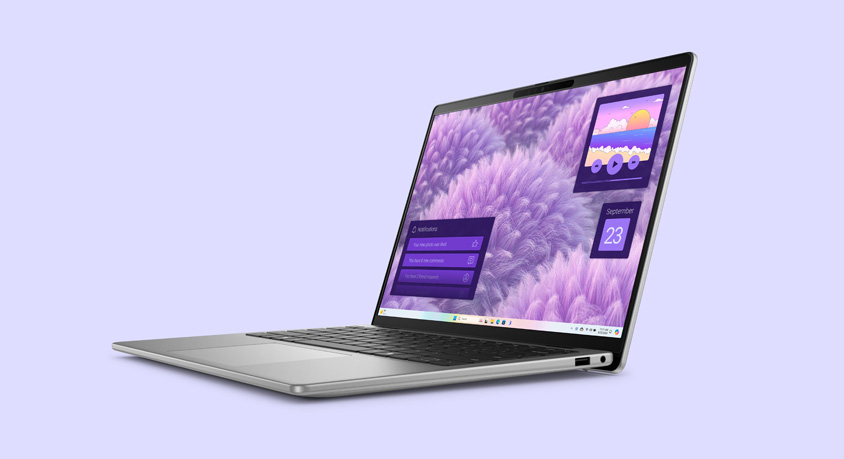
- Dell Inspiron 14 Plus 2026: Lightweight Premium Laptop for Urban Daily Productivity
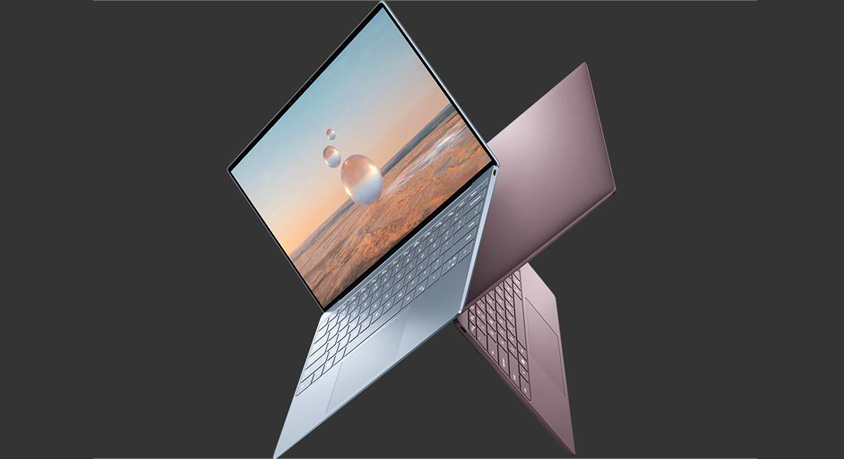
- Dell XPS 13 (2025) Review: Premium Ultrabook, But Not Perfect for Everyone
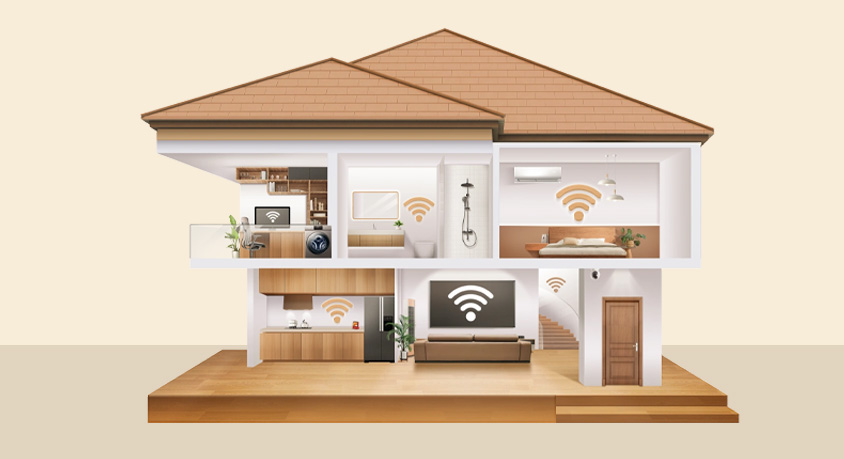
- Fast Router Never Fixes Slow Home Network
- Jun,03,2026
- OPPO A3 Pro Is It The Best Budget Waterproof Phone
- Jun,02,2026
- vivo X200 Pro: The All-Rounder That Excels in Every Department
- Jun,01,2026
- Is the vivo S50 the Most Balanced Midrange Phone of 2026
- May,31,2026
- vivo Y600 Pro: The Endurance King That Redefines Budget Phones
- May,30,2026