
Google Pixel 7: Timeless Minimalism Meets Proven Intelligence
The Google Pixel 7, unveiled in October 2022, stands as a testament to Google’s unwavering focus on what matters most in a smartphone: purity of design, intuitive software, and photography that feels effortless. Positioned as a refined mid-flagship, it sits between the more affordable Pixel 7a and the feature-rich Pixel 7 Pro, offering a balanced experience that has aged gracefully over time. Its enduring appeal lies not in chasing cutting-edge specs, but in perfecting the fundamentals that make a phone reliable and enjoyable to use day in and day out.
Its design is a masterclass in understated elegance, a departure from the flashy aesthetics of many contemporaries. The 6.3-inch frame is compact and manageable, weighing just 197g, with a slim profile that fits comfortably in one hand. The back is crafted from smooth, fingerprint-resistant matte glass, available in subtle hues like snow, obsidian, and lemongrass, exuding a quiet confidence. The signature horizontal camera bar, a staple of Pixel design, spans the upper rear, housing the dual-camera setup and adding a distinctive, minimalist touch. An IP68 rating ensures protection against dust and water, a practical inclusion that complements its durable build.
The display, while not the most advanced on paper, delivers a crisp and vibrant viewing experience tailored for daily use. The 6.3-inch OLED panel boasts a 1080x2400 resolution and a 90Hz refresh rate, striking a balance between smoothness and battery efficiency. Peak brightness reaches 1,400 nits, ensuring visibility even in direct sunlight, while deep blacks and accurate color reproduction make it ideal for streaming, browsing, and casual media consumption. Though it lacks the 120Hz adaptive refresh of higher-end models, the 90Hz panel remains fluid for everyday tasks, with minimal perceptible difference for casual users.
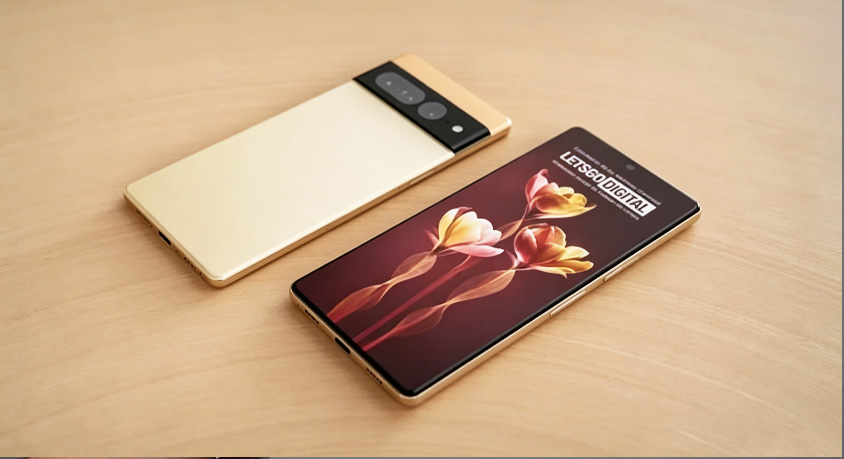
At its core lies the Google Tensor G2 chip, Google’s second-generation custom processor, designed specifically for AI tasks and computational photography. Paired with 8GB of RAM and 128GB or 256GB of storage, it handles daily multitasking—social media, messaging, light gaming—with consistent smoothness. While not a powerhouse for intensive gaming, it excels at Google’s strengths: on-device AI processing, seamless software integration, and power efficiency for routine use. The chip’s true prowess shines in camera processing, where it enables features like Night Sight, Photo Unblur, and Real Tone, delivering stunning photos without extra effort.
The camera system, a hallmark of Pixel devices, prioritizes natural, high-quality results over sheer megapixel counts. The 50MP main camera with optical image stabilization captures sharp, well-exposed photos with true-to-life colors in bright light, perfect for portraits, landscapes, and daily moments. The 12MP ultrawide lens expands creative possibilities for group shots and wide scenes, maintaining good detail and clarity. Low-light performance is exceptional for its class, with AI-powered Night Sight producing bright, detailed images after dark, free from excessive noise. The 10.8MP front camera delivers crisp selfies and supports video calls, rounding out a capable imaging setup that excels in real-world scenarios.
Battery life, powered by a 4355mAh battery, meets the demands of all-day mixed use. It easily lasts through a full day of browsing, messaging, and occasional video streaming, with software optimizations that extend usage during lighter days. Fast charging at 20W replenishes power quickly during short breaks, while wireless charging adds convenience for desk or bedside use. While not the fastest charging or largest battery on the market, it strikes a reliable balance that aligns with its user-friendly focus.
Software is where the Pixel 7 truly differentiates itself, offering a pure, uncluttered Android experience. Launching with Android 13 and later upgradable to Android 16, it features Google’s clean Material You interface, with minimal bloatware and seamless animations. Most importantly, it guarantees five years of security updates and major OS upgrades, ensuring the device remains secure and feature-rich until 2027—a commitment that outlasts many competitors. This longevity, combined with Google’s intuitive software features like call screening, live translation, and the Titan M2 security chip, makes it a secure and future-proof choice.
As a mid-flagship device, the Pixel 7 has its limitations. It lacks the telephoto lens of the Pixel 7 Pro, limiting zoom capabilities, and its gaming performance can’t match devices with more powerful processors. The 90Hz display, while smooth, falls short of the 120Hz panels found in some similarly priced competitors. Still, these trade-offs align with its core mission: to deliver a focused, reliable experience without unnecessary extras.
The Google Pixel 7 appeals to users who value simplicity, reliability, and long-term value over raw power or flashy features. It’s ideal for Android enthusiasts who prefer stock software, casual photographers who want great photos without complexity, and anyone who prioritizes security and longevity in a device. For those who believe a smartphone should adapt to the user, not the other way around, the Pixel 7 remains one of the most thoughtful, well-rounded mid-range smartphones in recent years.
MORE FROM WIRED
- Dell Latitude 14 2026: Reliable Business Laptop for Mobile Professionals
- OPPO Find X9 Pro Can It Outperform Flagship Rivals
- Huawei MateBook 14 HarmonyOS Edition: Redefining Smart Productivity for Modern Users
- Jun,08,2026
- Google Pixel 9: Where Compact Design Meets Intelligent Simplicity
- Jun,07,2026
- Is OPPO Reno14 The Best Mid Range Daily Phone
- Jun,06,2026
- Dell Inspiron 14 Plus 2026: Lightweight Premium Laptop for Urban Daily Productivity
- Jun,05,2026
- Dell XPS 13 (2025) Review: Premium Ultrabook, But Not Perfect for Everyone
- Jun,04,2026